•  
Brick Field - Bangladesh

Brick Field - Bangladesh

Emission of huge quantities of toxic elements from brick kilns is causing serious health hazards to workers and people living in surrounding areas with most suffering from respiratory or skin problem, in Keraniganj, near Dhaka, Bangladesh, December 6, 2024. Photo by Suvra Kanti Das/ABACAPRESS.COM

  •  
Brick Field - Bangladesh

Brick Field - Bangladesh

Emission of huge quantities of toxic elements from brick kilns is causing serious health hazards to workers and people living in surrounding areas with most suffering from respiratory or skin problem, in Keraniganj, near Dhaka, Bangladesh, December 6, 2024. Photo by Suvra Kanti Das/ABACAPRESS.COM

  •  
Brick Field - Bangladesh

Brick Field - Bangladesh

Emission of huge quantities of toxic elements from brick kilns is causing serious health hazards to workers and people living in surrounding areas with most suffering from respiratory or skin problem, in Keraniganj, near Dhaka, Bangladesh, December 6, 2024. Photo by Suvra Kanti Das/ABACAPRESS.COM

  •  
Brick Field - Bangladesh

Brick Field - Bangladesh

Emission of huge quantities of toxic elements from brick kilns is causing serious health hazards to workers and people living in surrounding areas with most suffering from respiratory or skin problem, in Keraniganj, near Dhaka, Bangladesh, December 6, 2024. Photo by Suvra Kanti Das/ABACAPRESS.COM

  •  
Brick Field - Bangladesh

Brick Field - Bangladesh

Emission of huge quantities of toxic elements from brick kilns is causing serious health hazards to workers and people living in surrounding areas with most suffering from respiratory or skin problem, in Keraniganj, near Dhaka, Bangladesh, December 6, 2024. Photo by Suvra Kanti Das/ABACAPRESS.COM

  •  
Brick Field - Bangladesh

Brick Field - Bangladesh

Emission of huge quantities of toxic elements from brick kilns is causing serious health hazards to workers and people living in surrounding areas with most suffering from respiratory or skin problem, in Keraniganj, near Dhaka, Bangladesh, December 6, 2024. Photo by Suvra Kanti Das/ABACAPRESS.COM

  •  
Brick Field - Bangladesh

Brick Field - Bangladesh

Emission of huge quantities of toxic elements from brick kilns is causing serious health hazards to workers and people living in surrounding areas with most suffering from respiratory or skin problem, in Keraniganj, near Dhaka, Bangladesh, December 6, 2024. Photo by Suvra Kanti Das/ABACAPRESS.COM

  •  
Brick Field - Bangladesh

Brick Field - Bangladesh

Emission of huge quantities of toxic elements from brick kilns is causing serious health hazards to workers and people living in surrounding areas with most suffering from respiratory or skin problem, in Keraniganj, near Dhaka, Bangladesh, December 6, 2024. Photo by Suvra Kanti Das/ABACAPRESS.COM

  •  
Brick Field - Bangladesh

Brick Field - Bangladesh

Emission of huge quantities of toxic elements from brick kilns is causing serious health hazards to workers and people living in surrounding areas with most suffering from respiratory or skin problem, in Keraniganj, near Dhaka, Bangladesh, December 6, 2024. Photo by Suvra Kanti Das/ABACAPRESS.COM

  •  
Brick Field - Bangladesh

Brick Field - Bangladesh

Emission of huge quantities of toxic elements from brick kilns is causing serious health hazards to workers and people living in surrounding areas with most suffering from respiratory or skin problem, in Keraniganj, near Dhaka, Bangladesh, December 6, 2024. Photo by Suvra Kanti Das/ABACAPRESS.COM

  •  
Brick Field - Bangladesh

Brick Field - Bangladesh

Emission of huge quantities of toxic elements from brick kilns is causing serious health hazards to workers and people living in surrounding areas with most suffering from respiratory or skin problem, in Keraniganj, near Dhaka, Bangladesh, December 6, 2024. Photo by Suvra Kanti Das/ABACAPRESS.COM

  •  
Brick Field - Bangladesh

Brick Field - Bangladesh

Emission of huge quantities of toxic elements from brick kilns is causing serious health hazards to workers and people living in surrounding areas with most suffering from respiratory or skin problem, in Keraniganj, near Dhaka, Bangladesh, December 6, 2024. Photo by Suvra Kanti Das/ABACAPRESS.COM

  •  
Brick Field - Bangladesh

Brick Field - Bangladesh

Emission of huge quantities of toxic elements from brick kilns is causing serious health hazards to workers and people living in surrounding areas with most suffering from respiratory or skin problem, in Keraniganj, near Dhaka, Bangladesh, December 6, 2024. Photo by Suvra Kanti Das/ABACAPRESS.COM

  •  

Int'l Museum Day: Iraq strives to retrieve looted antiquities

STORY: Int'l Museum Day: Iraq strives to retrieve looted antiquities SHOOTING TIME: May 17, 2024 DATELINE: May 18, 2024 LENGTH: 00:03:01 LOCATION: Baghdad CATEGORY: CULTURE SHOTLIST: 1. various of the exhibition at the Iraq Museum in Baghdad, Iraq 2. various of people visiting the Iraq Museum in Baghdad, Iraq STORYLINE: As the world commemorates International Museum Day, Iraq is still struggling to retrieve thousands of looted antiquities despite the passing of 21 years of the U.S.-led invasion of the country. As an ancient civilization with a history of thousands of years, Iraq is rich in archeological resources. However, the U.S. invasion of Iraq in 2003 and the ensuing chaos and instability provided a rare opportunity for robbers and lawbreakers to plunder and smuggle Iraqi antiquities from museums and unprotected archeological sites. Years after the U.S.-led invasion of Iraq, antiquity trafficking remains a serious problem in Iraq, as chaos and weak management have left more than 10,000 archeological

  •  

Tunisian journalist's impressions of China

STORY: Tunisian journalist's impressions of China SHOOTING TIME: Nov. 30, 2023 DATELINE: Jan. 3, 2024 LENGTH: 00:02:21 LOCATION: Tunis CATEGORY: SOCIETY SHOTLIST: 1. various of the Tunisian journalist and views in China 2. SOUNDBITE (Arabic): WAJIH HAFFOUDHI, Tunisian journalist STORYLINE: A Tunisian journalist, who has visited China several times, described it as "a developed, beautiful, and highly civilized country." SOUNDBITE (Arabic): WAJIH HAFFOUDHI, Tunisian journalist "I had two very important feelings when I visited China for the first time. The first one was that I was very shocked. As some media describe it, China is an advanced, very beautiful, and highly civilized country. I am very concerned about environmental issues. I visited China for the first time in 2012. Frankly speaking, sometimes I saw serious air pollution problem at that time. I have actually been paying attention to the relevant policies and actions of the Chinese government in the past ten years. When I visited China four years

  •  
Chemours Teflon Company Polluting The Groundwater In Dordrecht

Chemours Teflon Company Polluting The Groundwater In Dordrecht

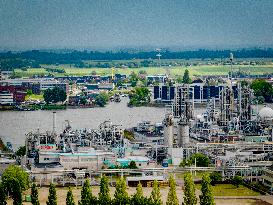
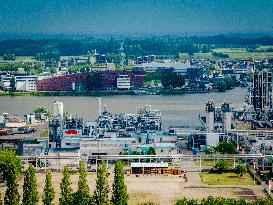
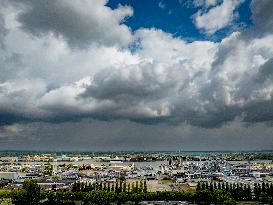
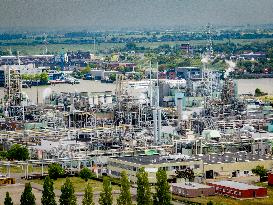
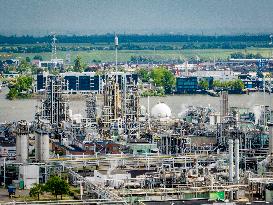
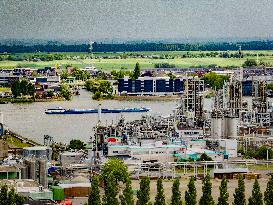
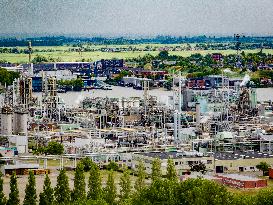
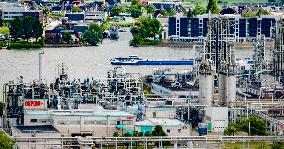
Illustration of the Chemours DuPont teflon factory in Dordrecht, Netherlands, on July 17, 2023. Chemours teflon company polluting the groundwater. Teflon producer DuPont, now Chemours, has known for 30 years that they are seriously polluting the groundwater in Dordrecht with large amounts of toxic and carcinogenic PFAS, Zembla reports based on confidential documents from the chemical group. The documents showed DuPont had serious concerns about contaminating the drinking water with PFAS in the early 1990s. PFAS pollution is still a problem in Dordrecht. Photo by Robin Utrecht/ABACAPRESS.COM

  •  
Chemours Teflon Company Polluting The Groundwater In Dordrecht

Chemours Teflon Company Polluting The Groundwater In Dordrecht

Illustration of the Chemours DuPont teflon factory in Dordrecht, Netherlands, on July 17, 2023. Chemours teflon company polluting the groundwater. Teflon producer DuPont, now Chemours, has known for 30 years that they are seriously polluting the groundwater in Dordrecht with large amounts of toxic and carcinogenic PFAS, Zembla reports based on confidential documents from the chemical group. The documents showed DuPont had serious concerns about contaminating the drinking water with PFAS in the early 1990s. PFAS pollution is still a problem in Dordrecht. Photo by Robin Utrecht/ABACAPRESS.COM

  •  
Chemours Teflon Company Polluting The Groundwater In Dordrecht

Chemours Teflon Company Polluting The Groundwater In Dordrecht

Illustration of the Chemours DuPont teflon factory in Dordrecht, Netherlands, on July 17, 2023. Chemours teflon company polluting the groundwater. Teflon producer DuPont, now Chemours, has known for 30 years that they are seriously polluting the groundwater in Dordrecht with large amounts of toxic and carcinogenic PFAS, Zembla reports based on confidential documents from the chemical group. The documents showed DuPont had serious concerns about contaminating the drinking water with PFAS in the early 1990s. PFAS pollution is still a problem in Dordrecht. Photo by Robin Utrecht/ABACAPRESS.COM

  •  
Chemours Teflon Company Polluting The Groundwater In Dordrecht

Chemours Teflon Company Polluting The Groundwater In Dordrecht

Illustration of the Chemours DuPont teflon factory in Dordrecht, Netherlands, on July 17, 2023. Chemours teflon company polluting the groundwater. Teflon producer DuPont, now Chemours, has known for 30 years that they are seriously polluting the groundwater in Dordrecht with large amounts of toxic and carcinogenic PFAS, Zembla reports based on confidential documents from the chemical group. The documents showed DuPont had serious concerns about contaminating the drinking water with PFAS in the early 1990s. PFAS pollution is still a problem in Dordrecht. Photo by Robin Utrecht/ABACAPRESS.COM

  •  
Chemours Teflon Company Polluting The Groundwater In Dordrecht

Chemours Teflon Company Polluting The Groundwater In Dordrecht

Illustration of the Chemours DuPont teflon factory in Dordrecht, Netherlands, on July 17, 2023. Chemours teflon company polluting the groundwater. Teflon producer DuPont, now Chemours, has known for 30 years that they are seriously polluting the groundwater in Dordrecht with large amounts of toxic and carcinogenic PFAS, Zembla reports based on confidential documents from the chemical group. The documents showed DuPont had serious concerns about contaminating the drinking water with PFAS in the early 1990s. PFAS pollution is still a problem in Dordrecht. Photo by Robin Utrecht/ABACAPRESS.COM

  •  
Chemours Teflon Company Polluting The Groundwater In Dordrecht

Chemours Teflon Company Polluting The Groundwater In Dordrecht

Illustration of the Chemours DuPont teflon factory in Dordrecht, Netherlands, on July 17, 2023. Chemours teflon company polluting the groundwater. Teflon producer DuPont, now Chemours, has known for 30 years that they are seriously polluting the groundwater in Dordrecht with large amounts of toxic and carcinogenic PFAS, Zembla reports based on confidential documents from the chemical group. The documents showed DuPont had serious concerns about contaminating the drinking water with PFAS in the early 1990s. PFAS pollution is still a problem in Dordrecht. Photo by Robin Utrecht/ABACAPRESS.COM

  •  
Chemours Teflon Company Polluting The Groundwater In Dordrecht

Chemours Teflon Company Polluting The Groundwater In Dordrecht

Illustration of the Chemours DuPont teflon factory in Dordrecht, Netherlands, on July 17, 2023. Chemours teflon company polluting the groundwater. Teflon producer DuPont, now Chemours, has known for 30 years that they are seriously polluting the groundwater in Dordrecht with large amounts of toxic and carcinogenic PFAS, Zembla reports based on confidential documents from the chemical group. The documents showed DuPont had serious concerns about contaminating the drinking water with PFAS in the early 1990s. PFAS pollution is still a problem in Dordrecht. Photo by Robin Utrecht/ABACAPRESS.COM

  •  
Chemours Teflon Company Polluting The Groundwater In Dordrecht

Chemours Teflon Company Polluting The Groundwater In Dordrecht

Illustration of the Chemours DuPont teflon factory in Dordrecht, Netherlands, on July 17, 2023. Chemours teflon company polluting the groundwater. Teflon producer DuPont, now Chemours, has known for 30 years that they are seriously polluting the groundwater in Dordrecht with large amounts of toxic and carcinogenic PFAS, Zembla reports based on confidential documents from the chemical group. The documents showed DuPont had serious concerns about contaminating the drinking water with PFAS in the early 1990s. PFAS pollution is still a problem in Dordrecht. Photo by Robin Utrecht/ABACAPRESS.COM

  •  
TBS report of Fujiya scandal in Jan. posed 'problem': panel

TBS report of Fujiya scandal in Jan. posed 'problem': panel

TOKYO, Japan - Yoshiharu Kawabata (L), chairman of the Broadcasting Ethics Committee of the Broadcasting Ethics & Program Improvement Organization, and Shinobu Yoshioka, member of the committee, speak at a news conference in Tokyo on Aug. 6. The panel told Tokyo Broadcasting System Inc. that its January report on Fujiya Co.'s scandal was aired ''without sufficient news gathering'' and had ''a serious problem.'' It was the first case examined by the panel of the Broadcasting Ethics & Program Improvement Organization since it was set up in May following the revelation of fabricated TV shows by Osaka-based Kansai Telecasting Corp.

  •  
Labor shortage serious problem in tsunami-hit town

Labor shortage serious problem in tsunami-hit town

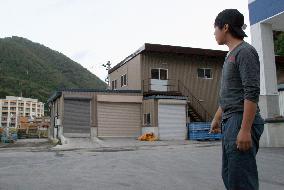
TOKYO, Japan - A seafood processing company in Onagawa, Miyagi Prefecture in northeastern Japan, is seen on Sept. 2, 2014. The company gave up on building a new factory due to the shortage of labor in the tsunami-hit town.

  •  
Waste Pickers In Dump Site - Dhaka

Waste Pickers In Dump Site - Dhaka

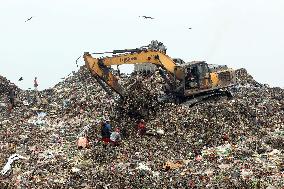
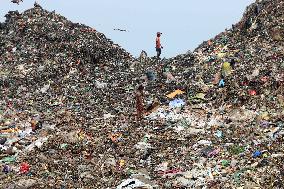
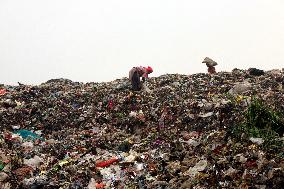
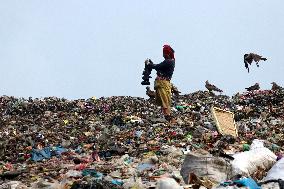
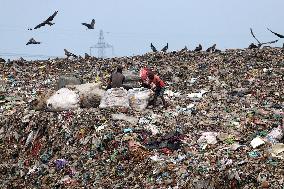
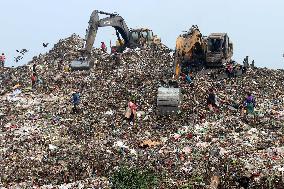
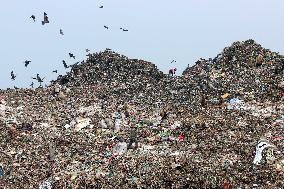
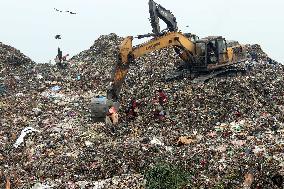
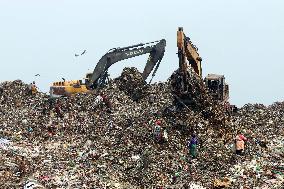
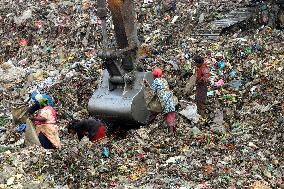
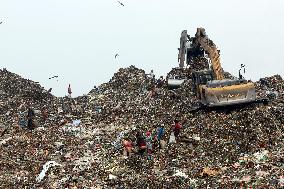
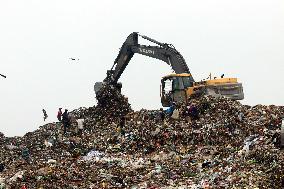
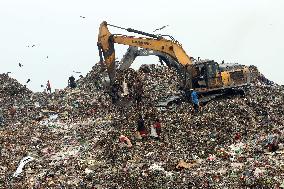
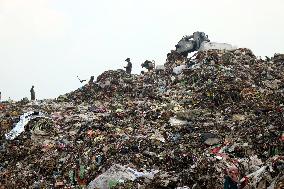
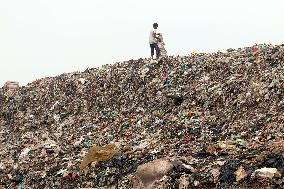
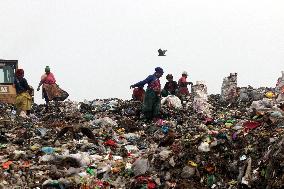
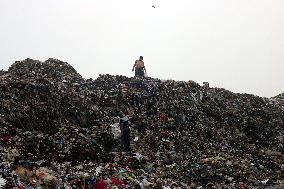
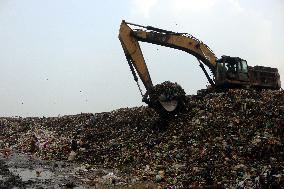
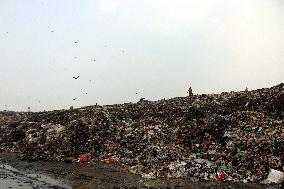
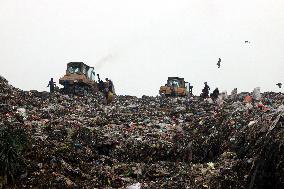
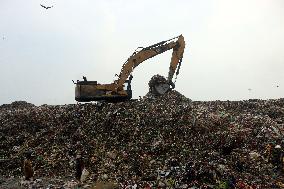
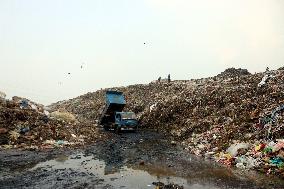
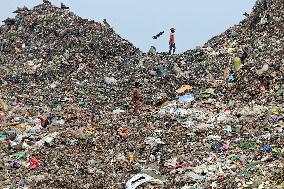
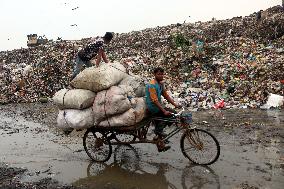
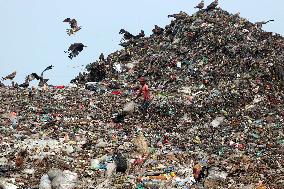
People waste pickers pick the non- biodegradable waste to be used for the recycling industry in dump site in Dhaka many people live by collecting waste from the mountains of garbage that is generated daily, mostly from the capital of Dhaka. Bangladesh, the eighth most populous country in the world, currently has a serious pollution problem due The solid waste generation in urban areas of Bangladesh amounts to around 25,000 tons per day, which translates. The Dhaka city produces one-quarter of all urban waste in the country. The total urban solid waste is projected to grow up to 47,000 tons per day by 2025. Dhaka, Bangladesh, October 25, 2021. Photo by Habibur Rahman/ABACAPRESS.COM

  •  
Waste Pickers In Dump Site - Dhaka

Waste Pickers In Dump Site - Dhaka

People waste pickers pick the non- biodegradable waste to be used for the recycling industry in dump site in Dhaka many people live by collecting waste from the mountains of garbage that is generated daily, mostly from the capital of Dhaka. Bangladesh, the eighth most populous country in the world, currently has a serious pollution problem due The solid waste generation in urban areas of Bangladesh amounts to around 25,000 tons per day, which translates. The Dhaka city produces one-quarter of all urban waste in the country. The total urban solid waste is projected to grow up to 47,000 tons per day by 2025. Dhaka, Bangladesh, October 25, 2021. Photo by Habibur Rahman/ABACAPRESS.COM

  •  
People Waste Pickers - Dhaka

People Waste Pickers - Dhaka

People waste pickers pick the non- biodegradable waste to be used for the recycling industry in dump site in Dhaka many people live by collecting waste from the mountains of garbage that is generated daily, mostly from the capital of Dhaka. Bangladesh, the eighth most populous country in the world, currently has a serious pollution problem due The solid waste generation in urban areas of Bangladesh amounts to around 25,000 tons per day, which translates. The Dhaka city produces one-quarter of all urban waste in the country. The total urban solid waste is projected to grow up to 47,000 tons per day by 2025. On octoberber 25, 2021 in Dhaka, Bangladesh. Photo by Habibur Rahman/ABACAPRESS.COM

  •  
Waste Pickers In Dump Site - Dhaka

Waste Pickers In Dump Site - Dhaka

People waste pickers pick the non- biodegradable waste to be used for the recycling industry in dump site in Dhaka many people live by collecting waste from the mountains of garbage that is generated daily, mostly from the capital of Dhaka. Bangladesh, the eighth most populous country in the world, currently has a serious pollution problem due The solid waste generation in urban areas of Bangladesh amounts to around 25,000 tons per day, which translates. The Dhaka city produces one-quarter of all urban waste in the country. The total urban solid waste is projected to grow up to 47,000 tons per day by 2025. Dhaka, Bangladesh, October 25, 2021. Photo by Habibur Rahman/ABACAPRESS.COM

  •  
Waste Pickers In Dump Site - Dhaka

Waste Pickers In Dump Site - Dhaka

People waste pickers pick the non- biodegradable waste to be used for the recycling industry in dump site in Dhaka many people live by collecting waste from the mountains of garbage that is generated daily, mostly from the capital of Dhaka. Bangladesh, the eighth most populous country in the world, currently has a serious pollution problem due The solid waste generation in urban areas of Bangladesh amounts to around 25,000 tons per day, which translates. The Dhaka city produces one-quarter of all urban waste in the country. The total urban solid waste is projected to grow up to 47,000 tons per day by 2025. Dhaka, Bangladesh, October 25, 2021. Photo by Habibur Rahman/ABACAPRESS.COM

  •  
Waste Pickers In Dump Site - Dhaka

Waste Pickers In Dump Site - Dhaka

People waste pickers pick the non- biodegradable waste to be used for the recycling industry in dump site in Dhaka many people live by collecting waste from the mountains of garbage that is generated daily, mostly from the capital of Dhaka. Bangladesh, the eighth most populous country in the world, currently has a serious pollution problem due The solid waste generation in urban areas of Bangladesh amounts to around 25,000 tons per day, which translates. The Dhaka city produces one-quarter of all urban waste in the country. The total urban solid waste is projected to grow up to 47,000 tons per day by 2025. Dhaka, Bangladesh, October 25, 2021. Photo by Habibur Rahman/ABACAPRESS.COM

  •  
Waste Pickers In Dump Site - Dhaka

Waste Pickers In Dump Site - Dhaka

People waste pickers pick the non- biodegradable waste to be used for the recycling industry in dump site in Dhaka many people live by collecting waste from the mountains of garbage that is generated daily, mostly from the capital of Dhaka. Bangladesh, the eighth most populous country in the world, currently has a serious pollution problem due The solid waste generation in urban areas of Bangladesh amounts to around 25,000 tons per day, which translates. The Dhaka city produces one-quarter of all urban waste in the country. The total urban solid waste is projected to grow up to 47,000 tons per day by 2025. Dhaka, Bangladesh, October 25, 2021. Photo by Habibur Rahman/ABACAPRESS.COM

  •  
Waste Pickers In Dump Site - Dhaka

Waste Pickers In Dump Site - Dhaka

People waste pickers pick the non- biodegradable waste to be used for the recycling industry in dump site in Dhaka many people live by collecting waste from the mountains of garbage that is generated daily, mostly from the capital of Dhaka. Bangladesh, the eighth most populous country in the world, currently has a serious pollution problem due The solid waste generation in urban areas of Bangladesh amounts to around 25,000 tons per day, which translates. The Dhaka city produces one-quarter of all urban waste in the country. The total urban solid waste is projected to grow up to 47,000 tons per day by 2025. Dhaka, Bangladesh, October 25, 2021. Photo by Habibur Rahman/ABACAPRESS.COM

  •  
Waste Pickers In Dump Site - Dhaka

Waste Pickers In Dump Site - Dhaka

People waste pickers pick the non- biodegradable waste to be used for the recycling industry in dump site in Dhaka many people live by collecting waste from the mountains of garbage that is generated daily, mostly from the capital of Dhaka. Bangladesh, the eighth most populous country in the world, currently has a serious pollution problem due The solid waste generation in urban areas of Bangladesh amounts to around 25,000 tons per day, which translates. The Dhaka city produces one-quarter of all urban waste in the country. The total urban solid waste is projected to grow up to 47,000 tons per day by 2025. Dhaka, Bangladesh, October 25, 2021. Photo by Habibur Rahman/ABACAPRESS.COM

  •  
Waste Pickers In Dump Site - Dhaka

Waste Pickers In Dump Site - Dhaka

People waste pickers pick the non- biodegradable waste to be used for the recycling industry in dump site in Dhaka many people live by collecting waste from the mountains of garbage that is generated daily, mostly from the capital of Dhaka. Bangladesh, the eighth most populous country in the world, currently has a serious pollution problem due The solid waste generation in urban areas of Bangladesh amounts to around 25,000 tons per day, which translates. The Dhaka city produces one-quarter of all urban waste in the country. The total urban solid waste is projected to grow up to 47,000 tons per day by 2025. Dhaka, Bangladesh, October 25, 2021. Photo by Habibur Rahman/ABACAPRESS.COM

  •  
Waste Pickers In Dump Site - Dhaka

Waste Pickers In Dump Site - Dhaka

People waste pickers pick the non- biodegradable waste to be used for the recycling industry in dump site in Dhaka many people live by collecting waste from the mountains of garbage that is generated daily, mostly from the capital of Dhaka. Bangladesh, the eighth most populous country in the world, currently has a serious pollution problem due The solid waste generation in urban areas of Bangladesh amounts to around 25,000 tons per day, which translates. The Dhaka city produces one-quarter of all urban waste in the country. The total urban solid waste is projected to grow up to 47,000 tons per day by 2025. Dhaka, Bangladesh, October 25, 2021. Photo by Habibur Rahman/ABACAPRESS.COM

  •  
Waste Pickers In Dump Site - Dhaka

Waste Pickers In Dump Site - Dhaka

People waste pickers pick the non- biodegradable waste to be used for the recycling industry in dump site in Dhaka many people live by collecting waste from the mountains of garbage that is generated daily, mostly from the capital of Dhaka. Bangladesh, the eighth most populous country in the world, currently has a serious pollution problem due The solid waste generation in urban areas of Bangladesh amounts to around 25,000 tons per day, which translates. The Dhaka city produces one-quarter of all urban waste in the country. The total urban solid waste is projected to grow up to 47,000 tons per day by 2025. Dhaka, Bangladesh, October 25, 2021. Photo by Habibur Rahman/ABACAPRESS.COM

  •  
Waste Pickers In Dump Site - Dhaka

Waste Pickers In Dump Site - Dhaka

People waste pickers pick the non- biodegradable waste to be used for the recycling industry in dump site in Dhaka many people live by collecting waste from the mountains of garbage that is generated daily, mostly from the capital of Dhaka. Bangladesh, the eighth most populous country in the world, currently has a serious pollution problem due The solid waste generation in urban areas of Bangladesh amounts to around 25,000 tons per day, which translates. The Dhaka city produces one-quarter of all urban waste in the country. The total urban solid waste is projected to grow up to 47,000 tons per day by 2025. Dhaka, Bangladesh, October 25, 2021. Photo by Habibur Rahman/ABACAPRESS.COM

  •  
Waste Pickers In Dump Site - Dhaka

Waste Pickers In Dump Site - Dhaka

People waste pickers pick the non- biodegradable waste to be used for the recycling industry in dump site in Dhaka many people live by collecting waste from the mountains of garbage that is generated daily, mostly from the capital of Dhaka. Bangladesh, the eighth most populous country in the world, currently has a serious pollution problem due The solid waste generation in urban areas of Bangladesh amounts to around 25,000 tons per day, which translates. The Dhaka city produces one-quarter of all urban waste in the country. The total urban solid waste is projected to grow up to 47,000 tons per day by 2025. Dhaka, Bangladesh, October 25, 2021. Photo by Habibur Rahman/ABACAPRESS.COM

  •  
People Waste Pickers - Dhaka

People Waste Pickers - Dhaka

People waste pickers pick the non- biodegradable waste to be used for the recycling industry in dump site in Dhaka many people live by collecting waste from the mountains of garbage that is generated daily, mostly from the capital of Dhaka. Bangladesh, the eighth most populous country in the world, currently has a serious pollution problem due The solid waste generation in urban areas of Bangladesh amounts to around 25,000 tons per day, which translates. The Dhaka city produces one-quarter of all urban waste in the country. The total urban solid waste is projected to grow up to 47,000 tons per day by 2025. On octoberber 25, 2021 in Dhaka, Bangladesh. Photo by Habibur Rahman/ABACAPRESS.COM

  •  
People Waste Pickers - Dhaka

People Waste Pickers - Dhaka

People waste pickers pick the non- biodegradable waste to be used for the recycling industry in dump site in Dhaka many people live by collecting waste from the mountains of garbage that is generated daily, mostly from the capital of Dhaka. Bangladesh, the eighth most populous country in the world, currently has a serious pollution problem due The solid waste generation in urban areas of Bangladesh amounts to around 25,000 tons per day, which translates. The Dhaka city produces one-quarter of all urban waste in the country. The total urban solid waste is projected to grow up to 47,000 tons per day by 2025. On octoberber 25, 2021 in Dhaka, Bangladesh. Photo by Habibur Rahman/ABACAPRESS.COM

  •  
People Waste Pickers - Dhaka

People Waste Pickers - Dhaka

People waste pickers pick the non- biodegradable waste to be used for the recycling industry in dump site in Dhaka many people live by collecting waste from the mountains of garbage that is generated daily, mostly from the capital of Dhaka. Bangladesh, the eighth most populous country in the world, currently has a serious pollution problem due The solid waste generation in urban areas of Bangladesh amounts to around 25,000 tons per day, which translates. The Dhaka city produces one-quarter of all urban waste in the country. The total urban solid waste is projected to grow up to 47,000 tons per day by 2025. On octoberber 25, 2021 in Dhaka, Bangladesh. Photo by Habibur Rahman/ABACAPRESS.COM

  •  
People Waste Pickers - Dhaka

People Waste Pickers - Dhaka

People waste pickers pick the non- biodegradable waste to be used for the recycling industry in dump site in Dhaka many people live by collecting waste from the mountains of garbage that is generated daily, mostly from the capital of Dhaka. Bangladesh, the eighth most populous country in the world, currently has a serious pollution problem due The solid waste generation in urban areas of Bangladesh amounts to around 25,000 tons per day, which translates. The Dhaka city produces one-quarter of all urban waste in the country. The total urban solid waste is projected to grow up to 47,000 tons per day by 2025. On octoberber 25, 2021 in Dhaka, Bangladesh. Photo by Habibur Rahman/ABACAPRESS.COM

  •  
People Waste Pickers - Dhaka

People Waste Pickers - Dhaka

People waste pickers pick the non- biodegradable waste to be used for the recycling industry in dump site in Dhaka many people live by collecting waste from the mountains of garbage that is generated daily, mostly from the capital of Dhaka. Bangladesh, the eighth most populous country in the world, currently has a serious pollution problem due The solid waste generation in urban areas of Bangladesh amounts to around 25,000 tons per day, which translates. The Dhaka city produces one-quarter of all urban waste in the country. The total urban solid waste is projected to grow up to 47,000 tons per day by 2025. On octoberber 25, 2021 in Dhaka, Bangladesh. Photo by Habibur Rahman/ABACAPRESS.COM

  •  
People Waste Pickers - Dhaka

People Waste Pickers - Dhaka

People waste pickers pick the non- biodegradable waste to be used for the recycling industry in dump site in Dhaka many people live by collecting waste from the mountains of garbage that is generated daily, mostly from the capital of Dhaka. Bangladesh, the eighth most populous country in the world, currently has a serious pollution problem due The solid waste generation in urban areas of Bangladesh amounts to around 25,000 tons per day, which translates. The Dhaka city produces one-quarter of all urban waste in the country. The total urban solid waste is projected to grow up to 47,000 tons per day by 2025. On octoberber 25, 2021 in Dhaka, Bangladesh. Photo by Habibur Rahman/ABACAPRESS.COM

  •  
People Waste Pickers - Dhaka

People Waste Pickers - Dhaka

People waste pickers pick the non- biodegradable waste to be used for the recycling industry in dump site in Dhaka many people live by collecting waste from the mountains of garbage that is generated daily, mostly from the capital of Dhaka. Bangladesh, the eighth most populous country in the world, currently has a serious pollution problem due The solid waste generation in urban areas of Bangladesh amounts to around 25,000 tons per day, which translates. The Dhaka city produces one-quarter of all urban waste in the country. The total urban solid waste is projected to grow up to 47,000 tons per day by 2025. On octoberber 25, 2021 in Dhaka, Bangladesh. Photo by Habibur Rahman/ABACAPRESS.COM

  •  
People Waste Pickers - Dhaka

People Waste Pickers - Dhaka

People waste pickers pick the non- biodegradable waste to be used for the recycling industry in dump site in Dhaka many people live by collecting waste from the mountains of garbage that is generated daily, mostly from the capital of Dhaka. Bangladesh, the eighth most populous country in the world, currently has a serious pollution problem due The solid waste generation in urban areas of Bangladesh amounts to around 25,000 tons per day, which translates. The Dhaka city produces one-quarter of all urban waste in the country. The total urban solid waste is projected to grow up to 47,000 tons per day by 2025. On octoberber 25, 2021 in Dhaka, Bangladesh. Photo by Habibur Rahman/ABACAPRESS.COM

  •  
People Waste Pickers - Dhaka

People Waste Pickers - Dhaka

People waste pickers pick the non- biodegradable waste to be used for the recycling industry in dump site in Dhaka many people live by collecting waste from the mountains of garbage that is generated daily, mostly from the capital of Dhaka. Bangladesh, the eighth most populous country in the world, currently has a serious pollution problem due The solid waste generation in urban areas of Bangladesh amounts to around 25,000 tons per day, which translates. The Dhaka city produces one-quarter of all urban waste in the country. The total urban solid waste is projected to grow up to 47,000 tons per day by 2025. On octoberber 25, 2021 in Dhaka, Bangladesh. Photo by Habibur Rahman/ABACAPRESS.COM

  •  
People Waste Pickers - Dhaka

People Waste Pickers - Dhaka

People waste pickers pick the non- biodegradable waste to be used for the recycling industry in dump site in Dhaka many people live by collecting waste from the mountains of garbage that is generated daily, mostly from the capital of Dhaka. Bangladesh, the eighth most populous country in the world, currently has a serious pollution problem due The solid waste generation in urban areas of Bangladesh amounts to around 25,000 tons per day, which translates. The Dhaka city produces one-quarter of all urban waste in the country. The total urban solid waste is projected to grow up to 47,000 tons per day by 2025. On octoberber 25, 2021 in Dhaka, Bangladesh. Photo by Habibur Rahman/ABACAPRESS.COM

  •  
People Waste Pickers - Dhaka

People Waste Pickers - Dhaka

People waste pickers pick the non- biodegradable waste to be used for the recycling industry in dump site in Dhaka many people live by collecting waste from the mountains of garbage that is generated daily, mostly from the capital of Dhaka. Bangladesh, the eighth most populous country in the world, currently has a serious pollution problem due The solid waste generation in urban areas of Bangladesh amounts to around 25,000 tons per day, which translates. The Dhaka city produces one-quarter of all urban waste in the country. The total urban solid waste is projected to grow up to 47,000 tons per day by 2025. On octoberber 25, 2021 in Dhaka, Bangladesh. Photo by Habibur Rahman/ABACAPRESS.COM

  • Main
  • Top
  • Editorial
  • Creative
  • About Us
  • About ILG
  • Terms of use
  • Company
  • BEHIND
  • Price List
  • Single Plan
  • Monthly Plan
  • Services
  • Shooting
  • Rights Clearance
  • Support
  • FAQ
  • How To Buy
  • Contact Us
  • Become a Partner

© KYODO NEWS IMAGES INC

All Rights Reserved.

  • Editorial
  • Olympics
  • News
  • Sports
  • Japan
  • Tech
  • Royal
  • Disaster
  • NorthKorea
  • Old Japan
  • SNS
  • Creative
  • Food
  • Japan
  • Landscape
  • Animal
  • Popular
  • #Ukraine
  • #China
  • #coronavirus
  • #N. Korea
  • #Russia
  • #Thailand
  • #Ukraine
  • #China
  • #coronavirus
  • #N. Korea
  • #Russia
  • #Thailand
  • Food
  • Japan
  • Landscape
  • Animal
  • Olympics
  • News
  • Sports
  • Japan
  • Tech
  • Royal
  • Disaster
  • NorthKorea
  • Old Japan
  • SNS